- 01
- Sep
- 2026
What the Cape Coast Sardine Die-Off Means for Capetonians
The Situation on Our Beaches
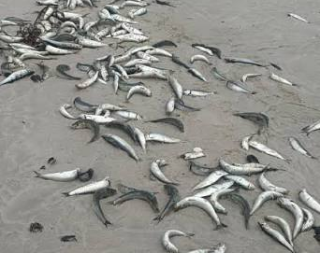
If you’ve been walking along Milnerton, Sunset Beach, Lagoon Beach, or Melkbosstrand recently, you have likely spotted thousands of dead sardines washing ashore. While the City of Cape Town’s urban waste management teams are actively conducting major beach cleanups to remove the fish, many locals are left wondering how this crisis impacts their daily lives.
Why Koeberg Nuclear Power Station Halved Its Output
The ecological crisis hit home for Capetonians in a very tangible way when Koeberg Nuclear Power Station was forced to reduce its Unit 1 generation capacity to 50%. This controlled safety adjustment was triggered when an enormous buildup of dead marine material and sardines clogged Koeberg’s seawater cooling intake area, causing a cooling pump to automatically shut down. Eskom has activated emergency response teams to clear the blockages and has assured the public that nuclear and operational safety was never at risk.
What is Pilchard Herpesvirus (PHV)?
Department of Forestry, Fisheries and the Environment (DFFE) laboratories confirmed that the mass deaths are linked to Pilchard Herpesvirus (PHV), which causes severe gill inflammation and respiratory distress in the fish. This marks the very first time this particular virus has ever been detected in South African sardine populations.
Can Humans or Pets Catch It?
No. Health and marine experts have stressed that PHV is highly species-specific. Senior Marine Scientist Janet Coetzee confirmed that the virus cannot survive in humans, pets, or any other host species besides sardines.
Why is There a Public Health Warning?
Even though you cannot contract the herpesvirus, the DFFE and the City of Cape Town have issued a strict warning to the public not to collect, consume, or feed the dead fish to pets. Because the fish have been dead for an unknown duration, they are actively decaying and may carry other harmful bacteria or pathogens. Pet owners are strongly urged to keep their dogs from consuming any dead marine life found on the beaches.
Is This Linked to the Milnerton Lagoon?
No. Deputy Mayor Eddie Andrews clarified that sardines are strictly oceanic fish and do not inhabit estuaries. This mass die-off is an entirely marine phenomenon and has absolutely nothing to do with the water quality or pollution issues at Milnerton Lagoon.